




When you take a policy loan, are you borrowing your own money?
It sounds like a simple question. But the answer matters, especially when you’re trying to understand how your life insurance policy works, what borrowing costs and which rules apply to you.
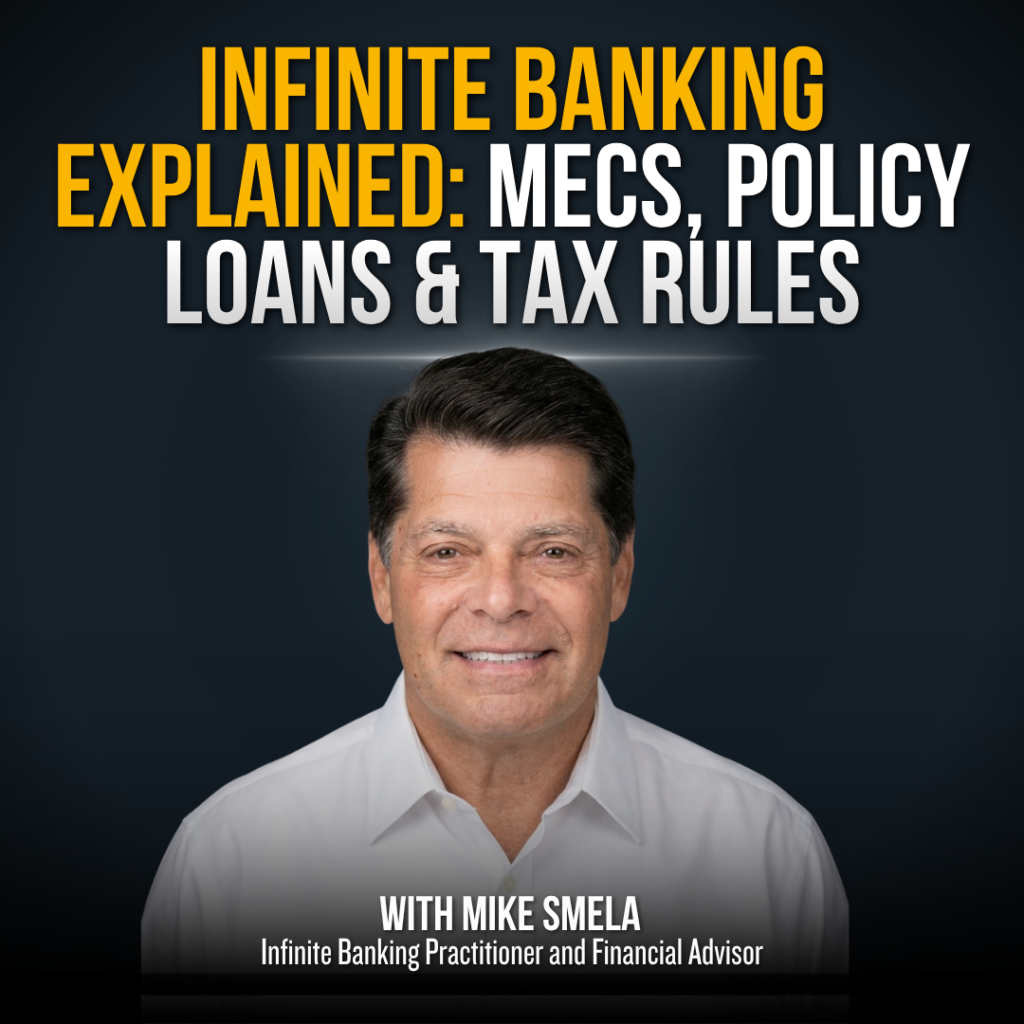
In this Wealth On Main Street episode, Mike Smela joins Richard Canfield to explore five questions about IBC, participating whole life insurance and policy loans.
Their conversation highlights a practical lesson: understanding your contract and staying connected with your advisor matter long after your policy is issued.
1. Are you borrowing your own money?
Richard addresses this misconception directly: a policy loan involves borrowing from the insurer, with the policy’s value supporting the loan. It is different from withdrawing cash from your policy. Canada.ca
That distinction helps explain why interest applies. You have a loan obligation, even though your policy secures it.
It also changes the questions you should ask. Instead of stopping at “How much can I borrow?”, consider:
- What interest rate applies, and can it change?
- How will outstanding interest be handled?
- What happens to policy benefits if the loan remains unpaid?
- How will I monitor the balance and plan repayments?
Canada’s Financial Consumer Agency notes that unpaid policy loans and interest can reduce the amount beneficiaries receive. Accessing policy value therefore deserves attention alongside the original insurance purpose. Canada.ca
2. How much can you contribute to your policy?
Mike uses a ceiling analogy to introduce funding limits. The practical question is how much additional premium a particular policy can accept within the applicable rules.
For U.S. viewers, the discussion includes modified endowment contracts, or MECs. This is a U.S. tax classification involving statutory requirements, including the seven-pay test. The rules are established by law; insurers apply them to individual contracts. Internal Revenue Service
In the episode, Mike describes joining a client on a call with the insurance company to confirm how much additional funding the policy could accept.
That example offers a useful habit: confirm your available funding room before making an unusual contribution or changing your coverage.
A large deposit, an adjustment to benefits or another policy change deserves a conversation about its consequences. A number shown on an earlier illustration should not replace confirmation of what is appropriate now.
For Canadian readers, U.S. MEC terminology should not be treated as a description of your own policy’s tax treatment. Ask your advisor to explain the rules that apply to your Canadian contract.
3. What should you understand about direct recognition?
Direct and non-direct recognition come up frequently in discussions about policy loans. Richard and Mike explore why those labels can become a distraction when viewers use them as a shortcut for choosing a policy.
The more useful question is:
How does this particular insurer treat my policy when I borrow?
Dividend treatment, loan interest and contractual provisions need to be considered together. For example, Guardian states that policy loans and loan interest affect dividends, if any, on its participating whole life policies. Dividends are not guaranteed. Guardian
Ask your advisor to walk through your actual contract and a borrowing example. Which values are guaranteed? Which depend on future dividends? What costs apply?
A clear explanation of those details is more valuable than assuming one label tells you everything about the policy.
4. Why does accurate insurance marketing matter?
Another question in the episode concerns insurers’ responses to IBC marketing.
Richard’s central distinction is between a financial concept someone practices and an insurance contract someone purchases.
A participating whole life policy has specific provisions. A person’s decisions about saving, borrowing, repaying and using capital are separate actions.
When marketing blends those two things together, viewers can misunderstand what the policy itself promises.
For example, using a policy loan for a business or property purchase does not make the outcome of that purchase a guaranteed feature of the insurance contract.
As you evaluate educational content, ask:
- Is this describing a contractual feature or a suggested strategy?
- Are the costs and responsibilities explained?
- Does the example distinguish guaranteed values from projections?
- Is the information relevant to my country and circumstances?
Clear language helps you understand both the opportunity being discussed and the responsibilities involved.
5. Are policy loans a tax loophole?
Richard challenges the “loophole” framing during the conversation. A more useful approach is to understand the applicable tax rules and how a specific transaction fits within them.
Canadian and U.S. policy-loan discussions are not interchangeable.
In Canada, a direct policy loan can create a taxable policy gain when it exceeds the policy’s adjusted cost basis. A loan from another lender secured by the policy is a different arrangement and requires its own review. acp.canadalife.com
For U.S. policy owners, MEC status can change the tax treatment of loans and other distributions. uscode.house.gov
The episode also discusses possible future tax changes. Those comments should be understood as the speakers’ views, rather than assurances about future legislation or protection for existing contracts.
Before borrowing, confirm the treatment of your proposed transaction with an appropriately qualified professional.
A policy review can reopen an important conversation
Near the end of the episode, Richard shares a client story about a policy owner who had become disconnected from ongoing education and advice.
The policy had an outstanding loan, and there were questions about coverage and next steps. Reconnecting created an opportunity to review the situation and discuss a repayment plan.
The value of that story is the conversation itself.
Your circumstances can change. Your understanding can fade. A policy you purchased years ago may deserve a fresh explanation of its current values, obligations and options.
You do not need to wait until something goes wrong to ask for that review.
Keep learning with Cash Follows the Leader
If this episode raised questions about policy loans and managing your capital, continue with Cash Follows the Leader, the book discussed by Richard and Mike.
Get your free digital copy at cashfollows.com.
Use what you learn to prepare better questions for your next advisor conversation.
Which topic would you like Wealth On Main Street to explore next: policy loans, funding limits or understanding your contract? Leave a comment below.
Disclaimer: This article provides general education, not personalized financial, insurance, tax or legal advice. Rules differ between Canada and the United States. Policy features, loan availability, interest charges and tax consequences depend on the contract and individual circumstances. Dividends are not guaranteed. Consult appropriately licensed professionals before making policy changes or borrowing decisions.